

The production process of tungsten alloy usually includes the following steps: raw material preparation, powder metallurgy, sintering, cold pressing, hot working and surface treatment. The sintered tungsten alloy blank may require further heat treatment to improve the properties of the material. In the process of hot processing, tungsten alloy billet can be plastic deformed by rolling, forging, extrusion and other ways to improve its mechanical properties and processing properties. The surface treatment of tungsten alloy can improve its corrosion resistance, wear resistance and aesthetics, making it more suitable for specific application fields.
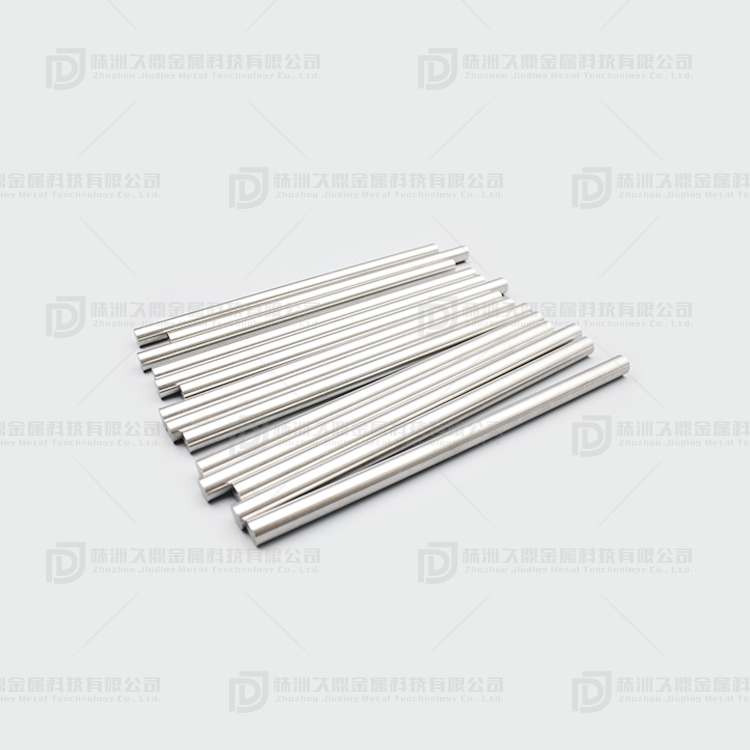
In general, the production process of tungsten heavy alloy is complex, but through precision process control and optimization, tungsten alloy materials with excellent performance can be obtained to provide stable and reliable material support for various industries.
First of all, the raw material of tungsten alloy is mainly tungsten powder and other metal powder, mixed in a certain proportion. Then the mixed powder is put into the mold and pressed to form the initial blank. Next, the billet is sintered in a high temperature furnace so that the powder particles are combined into a solid whole. During the sintering process, diffusion between particles occurs, thereby increasing the density and strength of the material.