

Exceptional Hardness and Scratch Resistance Tungsten alloys (especially tungsten carbide alloys commonly used in jewelry) have a hardness of up to HRC 88–92, which is second only to diamond and far higher than traditional jewelry materials like gold, silver, platinum, and stainless steel. This means tungsten alloy jewelry can maintain a smooth, shiny surface for a long time, and is not easily scratched or worn during daily wear—even when in contact with hard objects such as keys and coins. It solves the problem of traditional precious metal jewelry being prone to deformation and scratches.
High Density and Premium Texture The density of tungsten alloys is about 15.8–18.75 g/cm³, which is close to that of gold (19.32 g/cm³). Compared with the same volume of stainless steel or titanium jewelry, tungsten alloy jewelry has a heavier, more substantial feel, giving it a high-end, luxurious texture similar to precious metals. This heavy hand feel enhances the wearing experience and makes the jewelry look more advanced.
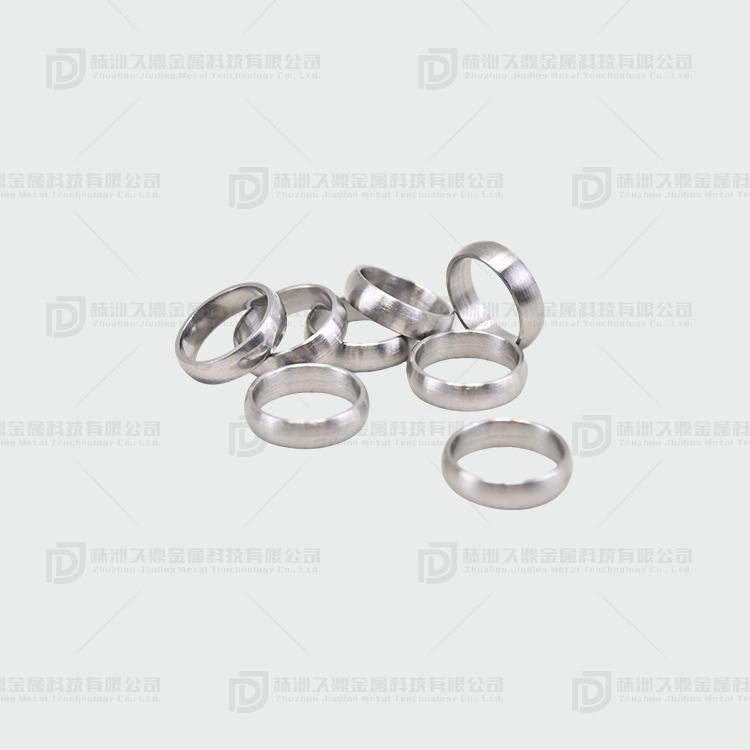
Excellent Corrosion Resistance and Durability Tungsten alloys are chemically stable and do not react with sweat, seawater, cosmetics, or most acids and alkalis in daily life. They are not easy to oxidize, rust, or tarnish, and can keep their original luster for a long time without frequent maintenance. Unlike silver jewelry that needs regular polishing to prevent tarnishing, or copper jewelry that is prone to oxidation and discoloration, tungsten alloy jewelry is very low-maintenance.
Diverse Aesthetic Effects Tungsten alloy jewelry can be processed into a variety of surface effects through technologies such as polishing, sandblasting, engraving, and electroplating:
Polished tungsten alloy has a mirror-like shine, which is comparable to platinum jewelry;
Sandblasted or brushed surfaces have a matte, low-key texture, suitable for minimalist styles;
It can also be combined with other materials (such as carbon fiber, precious stones, or gold-plated edges) to create personalized and fashionable designs, meeting the aesthetic needs of different consumer groups.
Cost-Effectiveness Compared with precious metals such as gold and platinum, tungsten alloys have a lower raw material cost, but they can present a similar high-end appearance and better durability. This makes tungsten alloy jewelry a cost-effective alternative for consumers who pursue both quality and affordability.
Biocompatibility High-purity tungsten alloys are non-toxic and non-irritating to the human body, with good biocompatibility. They are not easy to cause skin allergies, making them suitable for people with sensitive skin to wear.