

Nuclear medicine diagnostic proceduresThis is the most common application scenario. Nuclear medicine relies on radioactive tracers (e.g., iodine-131, technetium-99m, fluorine-18) to image and diagnose diseases such as tumors, cardiovascular diseases, and thyroid disorders. When medical staff draw these radioactive drugs into syringes and inject them into patients, tungsten alloy syringe shielding (protective cans or sleeves) can effectively block the gamma rays and beta particles emitted by the tracers. This prevents radiation exposure to the hands and bodies of medical personnel, who would otherwise be at high risk of long-term cumulative radiation damage with frequent operations.
Radiotherapy drug administrationSome targeted radiotherapy regimens use radioactive drugs (e.g., radium-223 for prostate cancer, lutetium-177 for neuroendocrine tumors) to deliver localized radiation to cancer cells. These drugs have high radioactivity, and the injection process requires strict radiation isolation. Tungsten alloy syringe shielding is used to contain the syringe during drug preparation and injection, minimizing radiation leakage and protecting both medical staff and nearby patients from unnecessary exposure.
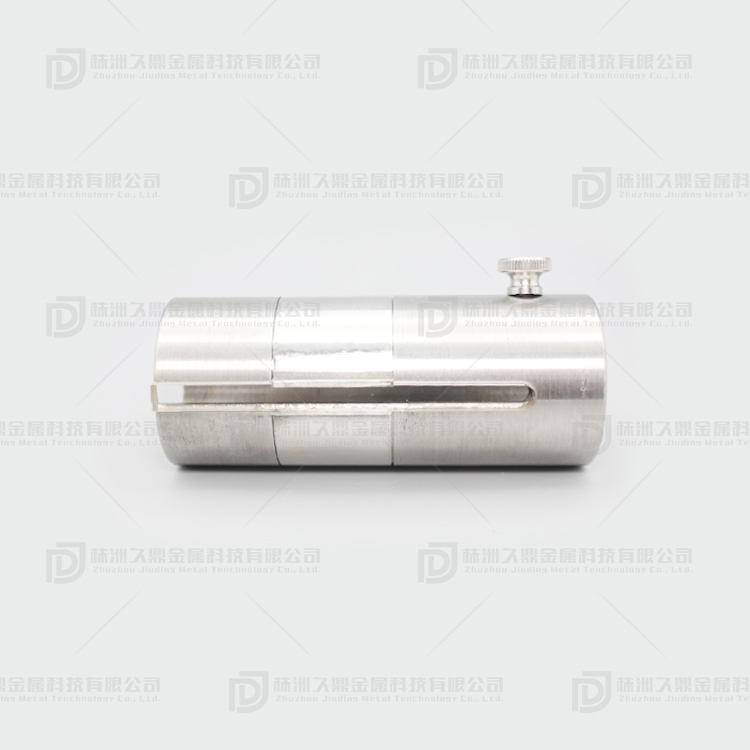
Radiopharmaceutical preparation and transferIn hospital pharmacies or specialized radiopharmaceutical preparation labs, staff need to aliquot, dilute, or transfer radioactive drugs between syringes and vials. Tungsten alloy syringe shielding devices are used throughout these processes to cover the syringe barrel and needle hub, blocking radiation at the source and ensuring the safety of the preparation environment and operators.
Patient radiation protection during injectionWhile the primary purpose is to protect medical staff, tungsten alloy syringe shielding also reduces scattered radiation exposure to the patient’s surrounding tissues (e.g., the injection site’s adjacent skin and organs) during the injection of high-activity radioactive drugs. This is especially important for pediatric or elderly patients who are more sensitive to radiation.
Veterinary nuclear medicine (veterinary applications)In veterinary medicine, nuclear imaging and radiotherapy are increasingly used for diagnosing and treating tumors or other diseases in companion animals (e.g., dogs, cats) or livestock. Tungsten alloy syringe shielding is equally applicable in these scenarios, protecting veterinary staff from radiation during the injection of radioactive drugs into animals.
Compared with traditional lead shielding, tungsten alloy’s non-toxicity, smaller volume, and higher shielding efficiency make it more widely used in modern medical radiation protection workflows.