

What are the uses of tungsten resin?
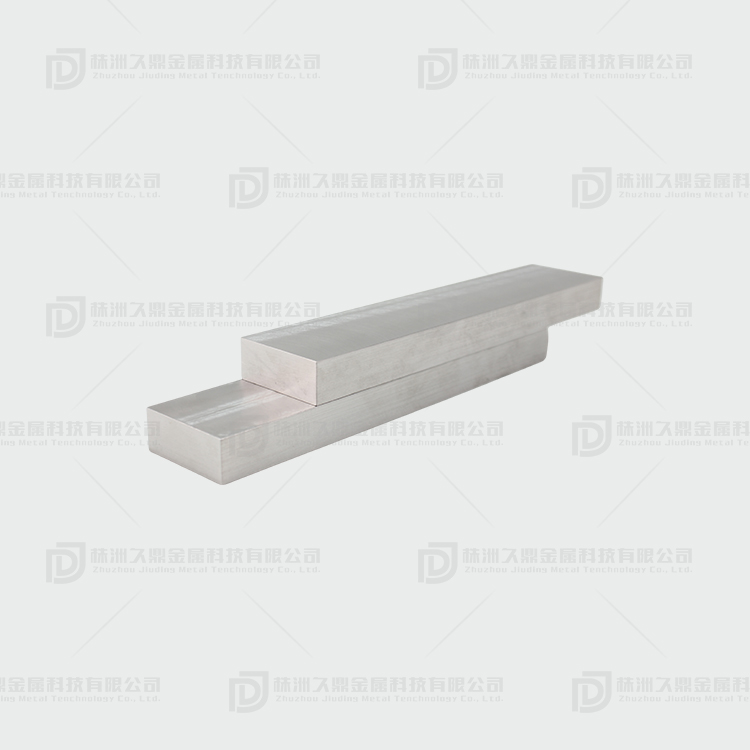
Tungsten resin, a composite material made by combining tungsten powder with polymer resin binders, has unique properties such as high density, good machinability, corrosion resistance, and radiation shielding. Its applications span multiple industrial and commercial fields, and the main uses are as follows:
1. Radiation Shielding
This is one of the most core and widely used applications of tungsten resin.
- Medical field: Used to make shielding components for X-ray machines, CT scanners, and radiotherapy equipment (e.g., shielding blocks, protective panels). Compared with traditional lead shielding, tungsten resin is non-toxic, environmentally friendly, and easier to process into complex shapes, which can effectively block X-rays and gamma rays without causing lead pollution.
- Industrial non-destructive testing (NDT): Applied to shielding devices for industrial radiography equipment, protecting operators from radiation damage during workpiece flaw detection.
- Nuclear industry: Used for the shielding of low-to-medium radiation sources, such as radioactive isotope storage containers and laboratory radiation-proof partitions.
2. Balancing and Counterweight Components
Thanks to its high density (adjustable according to tungsten content, generally 8–18 g/cm³) and good formability, tungsten resin is an ideal counterweight material:
- Aerospace: Used to make balancing weights for aircraft components, satellite attitude adjustment devices, and rocket engine parts, helping to maintain the stability of high-speed moving equipment.
- Automotive industry: Applied to the counterweights of engine crankshafts, turbochargers, and brake systems, improving the running stability and dynamic balance of the vehicle.
- Sports equipment: Used for counterweights of golf club heads, fishing sinkers, and bicycle wheel balancing blocks, optimizing the performance of the equipment.
3. Electronic and Electrical Components
- Electromagnetic shielding: Tungsten resin with conductive additives can be used to make electromagnetic shielding parts for electronic devices, reducing electromagnetic interference (EMI) and ensuring the stable operation of precision instruments.
- Heat dissipation components: The tungsten powder in the composite has good thermal conductivity, and the resin matrix has insulation properties. It can be made into heat dissipation substrates for LED lamps, power electronic components, etc., balancing heat dissipation and insulation requirements.
4. Mold and Tooling Applications
- Due to its moderate hardness and easy machinability, tungsten resin can be made into low-cost molds for small-batch production (e.g., injection molding molds, casting molds). It is especially suitable for prototypes or trial production stages, reducing the cost and cycle of mold development compared with metal molds.
- Used as wear-resistant parts for mechanical equipment, such as gaskets, bushings, etc., taking advantage of its corrosion resistance and wear resistance.
5. Other Special Applications
- Oil and gas industry: Used for downhole counterweight tools, helping to stabilize drilling equipment during oil and gas exploration.
- Art and crafts: Its high density and metallic texture make it a material for making high-end crafts, such as metal-like ornaments and souvenirs.